


Predictive Maintenance:
Keeping Your Fleet in Top Shape
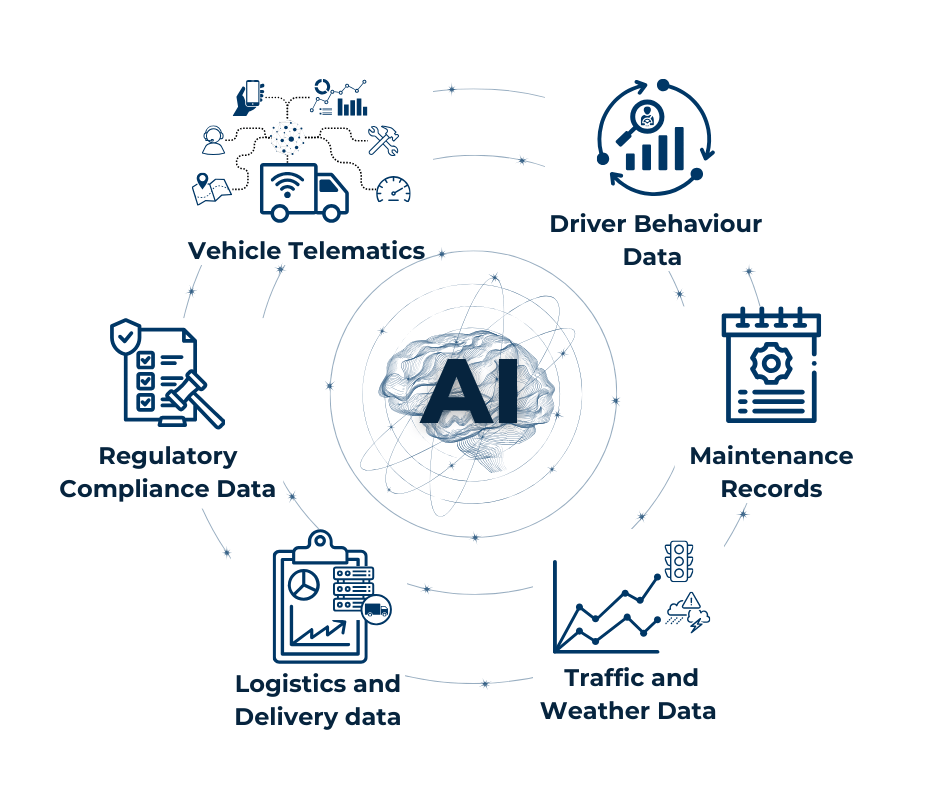
One of the key benefits of AI in fleet maintenance is its ability to predict when vehicle components require servicing or replacement. By continuously monitoring vehicle health through sensors and analysing data on fleet maintenance trackers, AI can detect early signs of wear and tear in critical parts such as engines, brakes, and tires. This enables fleet managers to:
- Prevent unexpected breakdowns,
- Reduce vehicle downtime,
- Extend the lifespan of vehicles,
- Lower overall maintenance costs.
In South Africa, where vehicle maintenance is vital for both economic and operational stability, predictive maintenance helps companies stay ahead of potential issues, ensuring smoother operations.
Route Optimisation:
Enhancing Fuel Efficiency and Reducing Costs
Fuel is one of the most significant expenses for fleet operators in South Africa, but AI can optimise routes by analysing real-time data, such as traffic patterns, road conditions, and weather forecasts. With fuel management systems powered by AI, companies can achieve:
- Reduced fuel consumption by selecting the most efficient routes,
- Shorter delivery times – boosting customer satisfaction,
- Minimised idle times and delays.
According to Frost & Sullivan, AI can reduce fleet operating costs by up to 20%, offering substantial savings on fuel, which has been a critical pain point in South Africa’s fleet management.
Driver Behaviour Monitoring:
Promoting Safer Driving
AI can track driver behaviour by analysing data on speeding, harsh braking, and sudden acceleration. These insights help fleet managers identify risky driving patterns and implement driver coaching programs. In South Africa, where road safety is a national priority, AI-powered driver monitoring systems contribute to:
- Reduced accident rates,
- Lower insurance premiums,
- Enhanced fleet safety,
- Improved driver training.
As the adoption of fleet telematics systems grows, companies can take proactive steps to foster safer driving habits and reduce incidents on the road.
Fuel Efficiency:
Reducing Costs and Environmental Impact
South Africa’s transport sector faces the dual challenge of high fuel costs and environmental concerns. AI helps optimise fuel efficiency by monitoring factors such as vehicle load, route conditions, and driver behaviour. This results in:
- Saving money on petrol through fuel-saving strategies,
- Improved vehicle performance with real-time adjustments,
- Reduced carbon emissions and a smaller environmental footprint.
For example, AI can recommend maintaining optimal speeds or avoiding traffic-prone areas to maximise fleet fuel management. This not only benefits companies’ bottom lines but also aligns with global sustainability goals.
Automated Compliance and Reporting:
Streamlining Operations
AI-powered systems automate compliance with industry regulations, making it easier for fleet managers to:
- Track driver hours and ensure compliance with South African road regulations,
- Generate automated reports on fuel usage and vehicle maintenance,
- Flag compliance issues in real-time, reducing risks of penalties.
With a centralised platform, South African companies can streamline their operations, save time on administrative tasks, and focus on improving fleet efficiency.
AI-Powered Telematics:
Gaining Actionable Insights
Fleet telematics companies use AI to process data from GPS, onboard diagnostics, and other vehicle sensors, offering real-time insights into:
- Vehicle locations,
- Performance analytics,
- Optimised routing and dispatching.
These insights enable fleet managers to make informed, data-driven decisions that improve operational efficiency, reduce delays, and provide more accurate ETAs (Estimated Time of Arrival) to customers.
The Future of Fleet Management:
Autonomous Vehicles and Beyond
Cost Savings and Return on Investment
AI-powered fleet data management systems deliver measurable ROI by driving down costs in key areas:
- Fuel savings through route optimisation and improved fuel efficiency,
- Reduced maintenance costs with predictive repairs,
- Lower accident rates and insurance premiums through driver behaviour monitoring,
- Increased productivity and reduced vehicle downtime.
For South African businesses seeking to remain competitive, AI offers a strategic advantage that ensures both precision and profitability.

Conclusion:
Is AI the Future of Fleet Management?
As the demand for more efficient, cost-effective, and eco-friendly transportation solutions grows, AI has transitioned from being a luxury to a necessity in fleet management. By leveraging AI technology, South African companies can improve fleet fuel management, reduce operational costs, and stay ahead of regulatory requirements, all while enhancing safety and service quality. The question is no longer whether to adopt AI but how quickly businesses can implement it to remain competitive.
Contact Us today to learn more about how AI-powered solutions can transform your fleet management and help you drive efficiency and savings.