


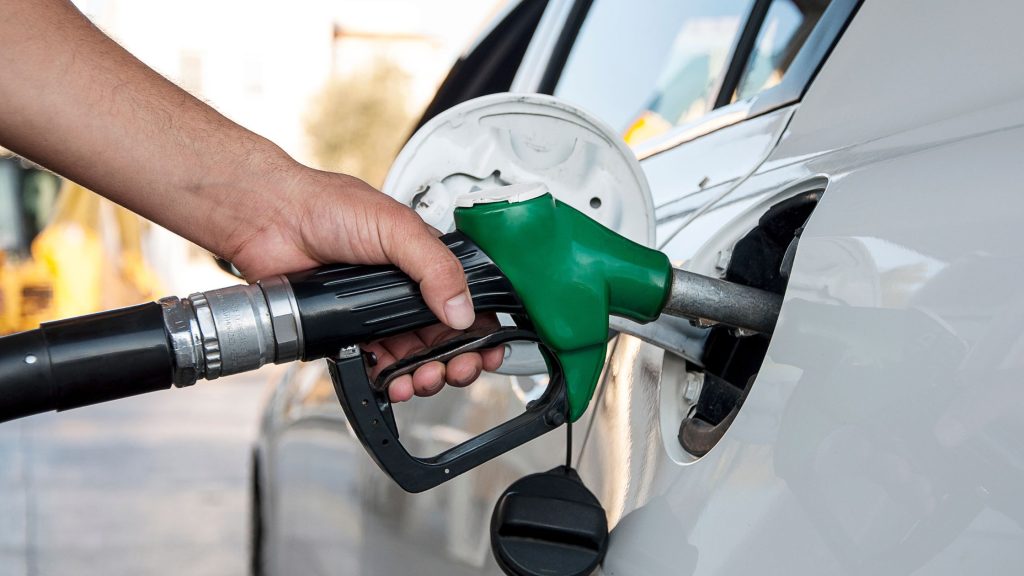
Did you know that your driving habits are a large determinant to the amount of fuel consumed?
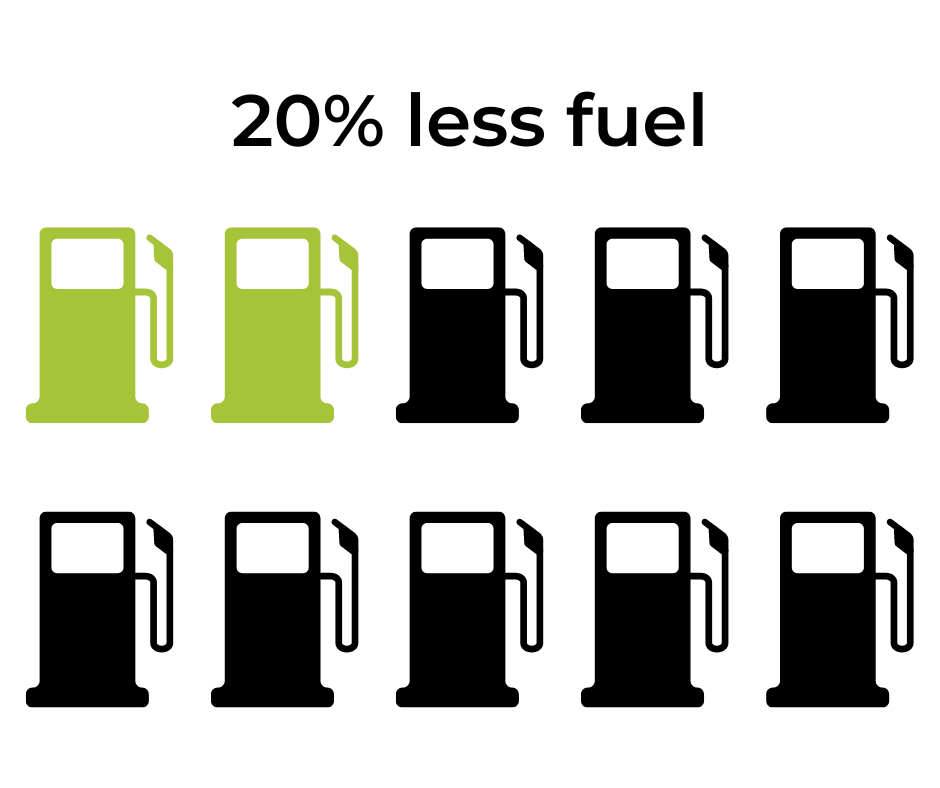
Understanding the Difference: Fuel Efficiency vs. Fuel Economy
“Fuel efficiency” and “fuel economy” might sound the same, but they aren’t. Fuel economy is simply how far your vehicle can go on a set amount of fuel.
Fuel efficiency is broader – it looks at how well your vehicle uses fuel, considering things like how you drive, how well you maintain your car, and any upgrades you’ve made.
Key Strategies to Enhance Fuel Efficiency
Achieving optimal fuel efficiency requires attention to several key driving and maintenance practices. Here are some effective strategies:
Maintain Proper Tire Pressure
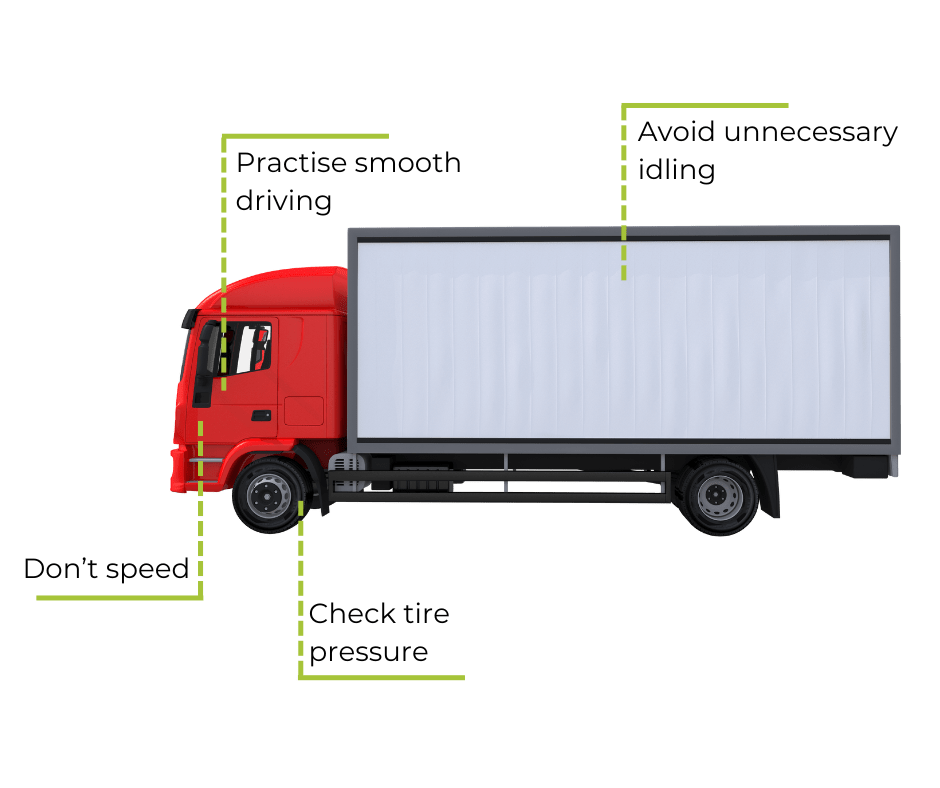
Tires that aren’t properly inflated can hurt your fuel efficiency. By regularly checking and keeping the right tire pressure, your car will run more smoothly, use less fuel, save you money on fuel, and help your tires last longer.
Practise Smooth Driving
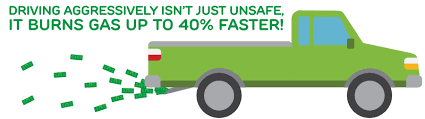
Speeding up too fast or braking suddenly makes your engine work harder and uses more fuel. Driving calmly and gradually increasing speed saves fuel and reduces wear on your car.
Adhere to Optimal Speed
Every vehicle has a speed range where it uses fuel most efficiently. Usually, fuel efficiency drops when you go over 80 km/h. Staying within this range can help you save a lot of fuel over time.
Avoid Unnecessary Idling
Idling wastes fuel and money without moving your vehicle. If you’re waiting for more than a minute, it’s better to turn off the engine. This simple step can save fuel and reduce your carbon footprint.
Optimising Truck Performance for Fuel Efficiency
For transport companies, fuel efficiency is crucial because fuel is a major part of their costs. To get the best fuel economy, it’s important to improve how trucks perform. Focus on these key areas:
Powertrain Optimisation
The powertrain, including the engine and transmission, is crucial for fuel efficiency. Picking the right parts can save fuel over the truck’s lifetime.
Improve Aerodynamic Performance
Good aerodynamics reduce fuel use. Focus on cab design and keep trailers in good shape with aligned wheels and correct tire pressure.
Minimise Rolling Resistance
Rolling resistance, influenced by tires and alignment, affects fuel use. Regular tire checks and wheel alignments help save fuel.
The Role of Driver Performance in Fuel Efficiency
Acceleration and Braking
Smooth acceleration and gentle braking help keep your vehicle moving efficiently, saving fuel. Teach drivers to anticipate traffic and road conditions to avoid unnecessary stops.
Optimise Cruising Speed and Use of Cruise Control
Keeping a steady speed and using cruise control on long drives helps save fuel.
Practise Anticipatory Driving
Drivers should stay aware of traffic to adjust their speed and driving habits. This boosts fuel efficiency, increases safety, and reduces wear on the vehicle.
Conclusion
Understanding fuel efficiency and fuel economy isn’t just about knowing the terms – it’s about making choices that save money and help the environment. Simple changes in how you drive, maintain your vehicle, and set up your trucks can greatly improve fuel efficiency.
Are you using these tips to get the most from your fleet?